
What is pH? pH is a way to describe how acidic a substance is. It is given by a number on a scale of 1-14. The lower the number, the more acidic the substance.
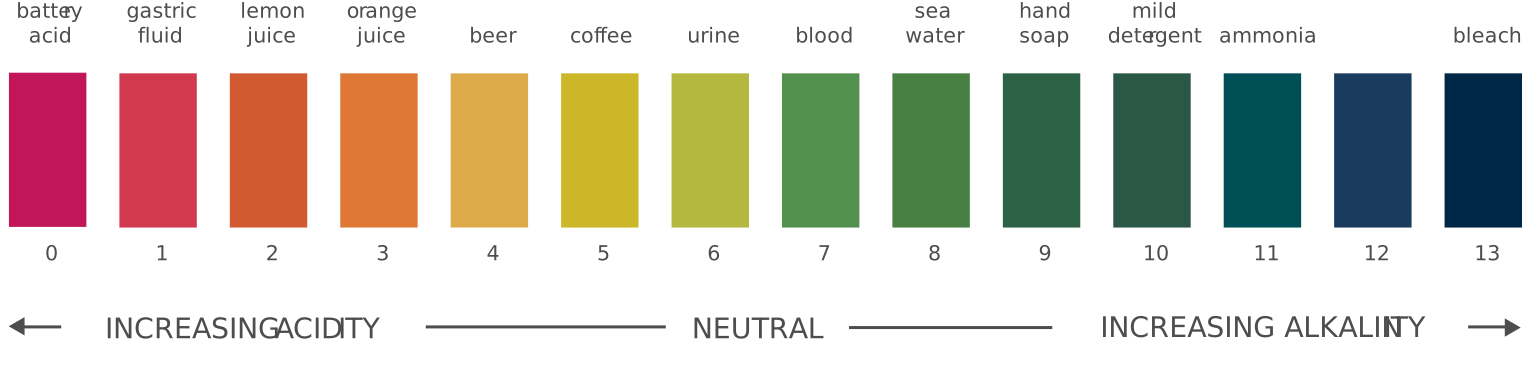
For example, the gastric acid in your stomach has a low pH (acidic) between 1 and 2, which aids digestion of food, whereas the pH of blood is slightly basic at around 7.4. Your body’s organs and systems are constantly maintaining an acid-alkaline balance. The vagina is perhaps one of the trickier organs in the human body to maintain this equilibrium
How you can measure your vaginal pH? Home vaginal pH tests showed good agreement with a doctor’s diagnosis. However, just because you find changes in your vaginal pH, doesn’t always mean that you have a vaginal infection. pH changes also do not help or differentiate one type of infection from another. Your doctor diagnoses a vaginal infection by using a combination of: pH, microscopic examination of the vaginal discharge, amine odor, culture, wet preparation, and Gram stain.
A healthy vaginal pH is acidic and ranges from a pH of 3.5 to 4.5. This means that there is a healthy balance between good and bad bacteria. Good bacteria thrives in the vaginas acidic environment. Daily fluctuations in pH are natural and normal, and the vagina is designed to handle them.
Hormone fluctuations such as during menopause or pregnancy or when using hormonal birth control such as a hormonal IUD or the pill and many day-to-day activities increase vaginal pH in the short term:
- Blood from our periods, semen from intercourse, and cervical mucus during our fertile days each month, all coat the vagina in fluids with a neutral pH of 7.
- Heavy sweating from exercise or sitting can also impact pH in the vagina as can urinary incontinence and hormonal changes.
- Douching with fragrances, using scented soap, chillin’ in hot tubs and
- Feminine products that contain deodorants, such as scented tampons and wipes affect the pH.
When the pH increases at these times, more vaginal cells are triggered to grow and be exfoliated, more glycogen and amylase are produced, and more good bacteria create more lactic acid, which balances the vaginal ecosystem yet again.
Longer periods of disruption to vaginal balance can occur after pregnancy or during menopause when hormonal changes are pronounced. The vaginal ecosystem ultimately moves to a pH level of above 5.4 for post-menopausal women due to a decrease of glycogen and sugar to feed the good bacteria.
However, when an imbalance in pH occurs, bad bacteria can grow and you can develop irritation, odor, and infections such as bacterial vaginosis, the most common vaginal infection for menstruating women. Therefore, pH-balance is an important factor in maintaining vaginal health.
pH also affects fertility. Too low or too high pH levels in our bodies are important and often overlooked factors when it comes to trying to conceive.The increased exposure to semen (~7 pH) during baby-making can tax the vagina’s self cleaning and balancing mechanisms. Immediately after the fertile window, the vaginal ecosystem pH becomes more neutral (~7 pH) during your period.
Prolonged exposure to a neutral pH (~7 pH) can eventually overwhelm the acidic environment of the vagina and may lead to odors, or even serious diseases (bacterial vaginosis, vaginitis, postpartum infections), increased STD/HIV rates, preterm labor (van de Wijgert et al., 2014), and perhaps even increased levels of preterm birth (Critchfield et al 2013).
Women with disruptions in the vaginal ecosystem and pH have recently been reported to have decreased fertility and take longer to conceive.
Ref: